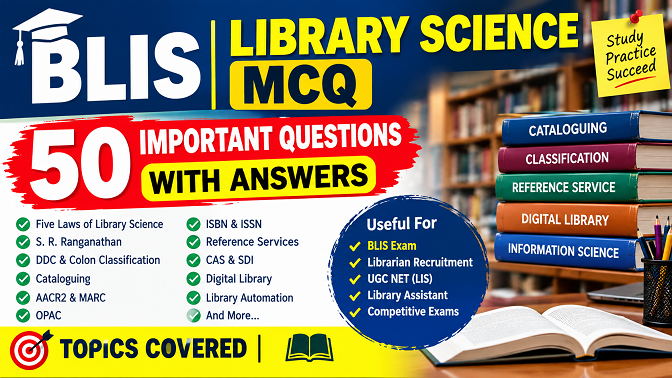


Pedagogy MCQs (50 Questions with Answers)
CTET, TET, UGC NET और Teaching Exams के लिए। Topics: General Pedagogy, Child Development, Paulo Freire, Teaching Methods, Inclusive Education आदि।
CTET, TET, UGC NET और Teaching Exams के लिए। Topics: General Pedagogy, Child Development, Paulo Freire, Teaching Methods, Inclusive Education आदि।
Questions 1-10: Basics & Thinkers
Pedagogy is the study of:
A) Teaching methods
B) Child psychology only
C) Curriculum only
D) Assessment only
Answer: A) Teaching methods
Paulo Freire is associated with:
A) Banking model of education
B) Problem-posing education
C) Montessori method
D) Play-way method
Answer: B) Problem-posing education
In Freire’s Banking Model, students are treated as:
A) Active participants
B) Empty vessels
C) Co-creators
D) Researchers
Answer: B) Empty vessels
Critical Pedagogy was developed by:
A) John Dewey
B) Paulo Freire
C) Jean Piaget
D) Lev Vygotsky
Answer: B) Paulo Freire
Andragogy refers to:
A) Child education
B) Adult learning
C) Special education
D) Vocational training
Answer: B) Adult learning
Zone of Proximal Development (ZPD) is given by:
A) Piaget
B) Vygotsky
C) Freire
D) Bruner
Answer: B) Vygotsky
Constructivism emphasizes:
A) Passive reception
B) Active knowledge construction
C) Rote memorization
D) Teacher-centered approach
Answer: B) Active knowledge construction
Inclusive Education focuses on:
A) Only gifted children
B) All children including CWSN
C) Only normal children
D) Separate schools
Answer: B) All children including CWSN
Multiple Intelligences Theory is by:
A) Howard Gardner
B) Erik Erikson
C) Lawrence Kohlberg
D) Chomsky
Answer: A) Howard Gardner
Bloom’s Taxonomy is related to:
A) Cognitive domains
B) Physical development
C) Emotional intelligence
D) Social skills
Answer: A) Cognitive domains
Questions 11-20: Teaching Methods & Approaches
Problem-posing education is opposite to:
A) Dialogic method
B) Banking method
C) Project method
D) Heuristic method
Answer: B) Banking method
Play-way method is best suited for:
A) Higher classes
B) Primary classes
C) Adults
D) Adolescents
Answer: B) Primary classes
Lecture method is:
A) Child-centered
B) Teacher-centered
C) Activity-based
D) Experiential
Answer: B) Teacher-centered
Cooperative learning promotes:
A) Competition
B) Collaboration
C) Isolation
D) Passive learning
Answer: B) Collaboration
Project Method was propagated by:
A) Dewey
B) Montessori
C) Froebel
D) Rousseau
Answer: A) Dewey
Heuristic method encourages:
A) Discovery learning
B) Rote learning
C) Memorization
D) Passive listening
Answer: A) Discovery learning
Inductive method starts from:
A) General to specific
B) Specific to general
C) Abstract to concrete
D) Unknown to known
Answer: B) Specific to general
Deductive method is:
A) From rule to example
B) From example to rule
C) Activity-based
D) Play-based
Answer: A) From rule to example
Brainstorming is a technique for:
A) Generating ideas
B) Assessment
C) Drill work
D) Punishment
Answer: A) Generating ideas
Flipped classroom involves:
A) Passive lectures in class
B) Pre-class content + in-class activities
C) Only homework
D) Traditional teaching
Answer: B) Pre-class content + in-class activities
Questions 21-30: Child Development & Learning
Piaget’s Sensorimotor stage is from:
A) 0-2 years
B) 2-7 years
C) 7-11 years
D) 11+ years
Answer: A) 0-2 years
Concrete Operational stage involves:
A) Abstract thinking
B) Logical thinking on concrete objects
C) Egocentrism
D) Sensory exploration
Answer: B) Logical thinking on concrete objects
Kohlberg’s theory is related to:
A) Moral development
B) Cognitive development
C) Psychosocial development
D) Language development
Answer: A) Moral development
Intrinsic motivation is:
A) Reward-based
B) Internal satisfaction
C) Punishment-driven
D) External pressure
Answer: B) Internal satisfaction
Classical conditioning is by:
A) Pavlov
B) Skinner
C) Thorndike
D) Bandura
Answer: A) Pavlov
Operant conditioning is by:
A) Pavlov
B) Skinner
C) Piaget
D) Vygotsky
Answer: B) Skinner
Scaffolding is related to:
A) Vygotsky
B) Piaget
C) Freire
D) Gardner
Answer: A) Vygotsky
Transfer of learning is maximum when:
A) Situations are similar
B) Situations are different
C) No practice
D) Rote learning
Answer: A) Situations are similar
Metacognition means:
A) Thinking about thinking
B) Motor skills
C) Emotional control
D) Social awareness
Answer: A) Thinking about thinking
Learning is best defined as:
A) Permanent change in behavior
B) Temporary change
C) Only memorization
D) Physical growth
Answer: A) Permanent change in behavior
Questions 31-40: Assessment & Classroom Management
Formative assessment is:
A) End-of-term exam
B) Continuous during learning
C) Only summative
D) For promotion
Answer: B) Continuous during learning
CCE stands for:
A) Continuous and Comprehensive Evaluation
B) Child Centered Education
C) Central Curriculum Evaluation
D) None
Answer: A) Continuous and Comprehensive Evaluation
Rubrics are used for:
A) Objective scoring
B) Subjective assessment
C) Both
D) Punishment
Answer: C) Both
Portfolio assessment is:
A) Collection of student work
B) Only MCQs
C) Oral test
D) Written exam
Answer: A) Collection of student work
Classroom management aims at:
A) Discipline only
B) Creating conducive learning environment
C) Strict rules
D) Punishment
Answer: B) Creating conducive learning environment
Positive reinforcement increases:
A) Undesired behavior
B) Desired behavior
C) No effect
D) Fear
Answer: B) Desired behavior
Dyslexia is a:
A) Learning disability (reading)
B) Hearing impairment
C) Visual impairment
D) Motor disability
Answer: A) Learning disability (reading)
IEP stands for:
A) Individualized Education Plan
B) Inclusive Education Policy
C) Internal Evaluation Process
D) None
Answer: A) Individualized Education Plan
Diversity in classroom requires:
A) Differentiated instruction
B) Same method for all
C) Ignoring differences
D) Strict uniformity
Answer: A) Differentiated instruction
Effective questioning promotes:
A) Critical thinking
B) Only recall
C) Silence
D) Rote learning
Answer: A) Critical thinking
Questions 41-50: Advanced & Current
NCF 2005 emphasizes:
A) Child-centered education
B) Teacher-centered
C) Rote learning
D) Exams only
Answer: A) Child-centered education
NEP 2020 focuses on:
A) Multidisciplinary education
B) Only vocational
C) Rote learning
D) Single language
Answer: A) Multidisciplinary education
Digital pedagogy includes:
A) Use of ICT tools
B) Only blackboard
C) Traditional methods
D) No technology
Answer: A) Use of ICT tools
Reflective teaching means:
A) Teacher reflects on own practice
B) No reflection
C) Only content delivery
D) Strict following of textbook
Answer: A) Teacher reflects on own practice
Action Research is conducted by:
A) Teachers in classroom
B) Only researchers
C) Government only
D) Students
Answer: A) Teachers in classroom
Gifted children need:
A) Enrichment programmes
B) Remedial teaching
C) Same pace
D) Ignoring
Answer: A) Enrichment programmes
Slow learners require:
A) Remedial instruction
B) Advanced work
C) No support
D) Separation
Answer: A) Remedial instruction
Aesthetic development includes:
A) Art and music
B) Only maths
C) Only science
D) Rote
Answer: A) Art and music
Value education aims at:
A) Moral development
B) Only academics
C) Physical only
D) None
Answer: A) Moral development
The ultimate goal of pedagogy is:
A) Holistic development of learner
B) Only marks
C) Memorization
D) Competition
Answer: A) Holistic development of learner
Tips for CTET: Focus on thinkers (Freire, Piaget, Vygotsky), methods (Banking vs Problem-Posing), and inclusive practices. Revise these regularly.
Adult Education 50 Important MCQs with Answers
विज्ञान (Science) से संबंधित 50 सामान्य ज्ञान (GK) प्रश्न और उनके उत्तर